Pasadena lawns bring an unique rhythm. Early morning light on the San Gabriels, afternoon shade under jacaranda, and nights that nearly demand time outside. Good hardscape honors that daily pattern. It develops a patio that does not roast at 3 p.m., a sidewalk that dries rapidly after the periodic downpour, and a retaining wall that holds company through years of moderate earthquakes and soil shifts. That is the lens we bring to every job as Ridgeline Outdoor Living paver installation experts, whether the task is a classic brick patio area off a craftsman cottage or a hillside terrace with stone retaining walls and an integrated fire pit.
We work across Pasadena, from Bungalow Heaven to the Linda Vista hills. Each community's soil, slope, and architecture inform the decisions we make about base preparation, products, edge restraints, and drainage. The outcome ought to feel unavoidable, like the yard was awaiting this particular outdoor patio or path all along.
Why house owners call us initially for patios and pavers
Plenty of crews can set pavers. Less understand how outdoor patios live and develop with a Pasadena residential or commercial property. We develop with microclimate in mind, strategy expansions, and structure base layers for clay soils and seasonal motion. We are a patio contractor that deals with style and installation as a single craft. That implies factoring in furniture designs, grill clearances, stair treads that match local code, and how a young child or an older pet dog will navigate a step down to the lawn.
Interlocking pavers stand out here. Their modular structure enables repair work without removing a whole piece, and they handle small seismic shifts better than poured concrete. Natural stone pavers remain unsurpassable for texture, and we lean on brick pavers for classic Pasadena curb appeal. Concrete pavers being in the middle with expense predictability, high compressive strength, and tremendous color variety. Choosing amongst them is less about a universal finest and more about fit, spending plan, and long-term maintenance preferences.
The patio installation process, done right
Every lawn starts with a discussion. You point to the sunniest corner for winter breakfasts, the oak you like, the slope that swallows mulch. We equate that into a construct sequence that avoids shortcuts. The very first lawn I touched in Pasadena taught me not to skimp on excavation depth after a surprise winter season storm pooled water on a newly set patio. We pulled up the pavers, deepened the base by 2 inches, and the repair held for many years. That lesson appears in our standard method today.
Here is the top-level flow we follow on patio installation, walkway installation, and the majority of retaining wall work:
- Site assessment and layout. We survey slopes with a laser level, locate utilities, mark downspouts, and map existing roots. We aim for at least a 2 percent pitch away from structures to keep water moving. Excavation and base develop. We dig to the right depth for pavers plus bedding plus compacted base, typically 7 to 11 inches depending on soil and load. Then we install geotextile material where soils are extensive, followed by lifts of Class II road base compressed to 95 percent density. Edge restraints and bed linen. Concrete edge curbs or high-strength plastic edging lock the field. Bed linen sand goes on in a consistent layer, usually about 1 inch, screeded to plane. Laying pattern and cuts. We dry lay to validate pattern circulation, set string lines, and make tight cuts with a wet saw. Spacing and bond lines get inspected every couple of rows so patterns do not drift. Compaction, joint lock, and surface. A plate compactor with a protective mat seats the field. We sweep polymeric sand into joints, compact once again, and mist to set. Last touches include drain checks, joint cleanup, and sealing where specified.
That list looks simple on paper. On website, the difference between average and exceptional often boils down to perseverance. We do not compact wet base. We stop to remedy a rising bond line before it ends up being a wave. We do not razor a tree's root system simply to fit a straight walkway, we bend the path and add a gentle curve that looks much better anyway.
Materials that fit Pasadena homes and lifestyles
Choosing in between interlocking pavers, brick pavers, concrete pavers, and natural stone pavers is part science and part taste. Some patios will hold regular supper parties under string lights, others will operate as the everyday course to a side gate. Match the usage to the material.
- Interlocking pavers. Finest all-around performer. They deal with lorry loads, regular foot traffic, and light seismic action gracefully. Color and texture alternatives keep growing, from tumbled cobbles to crisp modern rectangles. Brick pavers. The Pasadena classic. They age wonderfully, particularly in older areas where brick appears in stoops and planters. They do run narrower, so patterns require cautious design to prevent odd slivers near edges. Concrete pavers. The workhorse of modern outdoor patios. Consistent density, broad palette, and the most budget-flexible option. We typically combine them with banding in stone or brick for included character. Natural stone pavers. Flagstone, limestone, or porphyry for customers who desire variation underfoot. Stone brings depth and coolness in summer, and it complements drought-tolerant landscaping. It can chip at the edges, so we define appropriate thickness and edge treatments. Permeable pavers. A subset worth calling out in Pasadena where stormwater rules continue to tighten. They allow water to enter a developed base, reducing runoff and supporting healthy root zones.
We will reveal you sample boards, then set a little mockup in your backyard if you want to see stones move color in early morning shade versus afternoon sun. It is common for a client to pick a warmer tone after seeing how cool grays take a look at 6 p.m.
Best paver patio area styles for Pasadena homes
Styling a patio area is not about design at the end. Design is pattern, edge choices, elevation changes, and the relationship to your architecture.
Spanish Revival homes typically gain from a warm scheme and curves. We utilize tumbled concrete pavers or clay brick with basketweave fields and a soldier course border. Include a low stucco seat wall around a fire pit installation and the space feels rooted to the house.
Craftsman cottages request proportion and honest materials. Tight joint lines in brick pavers, surrounded by a bluestone band, set well with river rock planters and stained wood actions. We keep pattern shifts clean, for example running bond on the main outdoor patio with a herringbone accent under a pergola.
Mid-century ranches succeed with bigger format concrete pavers laid in an easy stack bond or a flemish pattern, clean joints, and minimal color variation. Direct gas fire functions in cast-in-place concrete or slim fire bowls assistance hold the modern line.
Hillside properties around Linda Vista and San Rafael typically need terraced outdoor patios. We integrate natural stone pavers on the upper balcony with interlocking pavers listed below where patio area furniture and much heavier loads live, looped by stone retaining walls that double as seating.
New develops with ADUs benefit from permeable interlocking pavers in the shared courtyard. That reduces puddles at the unit's threshold and satisfies runoff requirements without a maze of drains.
Retaining walls that deal with your slope, not versus it
Pasadena soils range from sandy loam in flatter areas to clay and broken down granite on slopes. A maintaining wall is not simply a stack of blocks. It is a system with drainage, tie-back or geogrid reinforcement, correct setback, and footing prep matched to soil conditions.
Clients call us for retaining wall installation in Pasadena CA for 3 common reasons. One, to hold a slope and reclaim level area for a patio. Two, to replace an older wall that bows after decades without drain. Three, to include planting beds and seat walls that produce small spaces in the yard.
We run as a retaining wall contractor in Pasadena with both segmental block systems and stone. Imaginative block retaining walls in Pasadena frequently include split-face textures, neutral tones, and curved lines that soften hard grades. Where the outdoor living Pasadena CA architectural design and budget plan support it, our crews, understood among customers as stone retaining walls experts in Pasadena LA, construct dry-stack or mortared stone faces over engineered cores. That gives you the appearance of hand-laid stone with the efficiency of a modern wall.
Wall height, surcharge loads, and distance to home lines dictate engineering. As a guideline, walls over 3 to 4 feet, or any wall supporting a driveway or structure, ought to be engineered. Expect geogrid layers at set intervals, a perforated drain line at the heel, tidy gravel backfill, and a compacted base that withstands settlement. We will tell you where allows apply and coordinate with the city when required.

Drainage and Pasadena's weather patterns
Design here balances long dry spells with episodic storms. An outdoor patio that looks perfect in August can stop working during a February cloudburst if the base is not designed to shed and move water. We use the 2 percent rule for surface area pitch as a standard, then include measures that match the site. That may be a french drain at the low side of a yard, permeable pavers near downspouts, or a channel drain throughout a garage threshold.
Even on flat lots, micro-grading matters. We think about where your next-door neighbor's lawn sits relative to yours, how water leaves the property, and whether existing fences keep back runoff. On hillsides, we deal with downspout extensions and capture basins as part of the retaining wall system, not afterthoughts added at the end.
Walkways and garden paths that welcome movement
A walkway ought to do more than link A to B. It sets the rate. Larger courses at 48 inches near a driveway welcome two people side by side, while narrower 30 to 36 inch garden courses sluggish things down under citrus and sage. Stone walkways in fractured flagstone feel casual and natural, ideal for drought-tolerant plantings. Interlocking pavers laid in a stretcher bond read tidy and crisp near modern homes.
We construct pathways to last. That implies excavation, compressed base, edge restraints, and joint stabilization just like an outdoor patio, scaled to traffic. Where tree roots will grow, we add root barriers or plan mild curves to avoid later on heaving. If you are hunting for Ridgeling outdoor living garden pathway ideas, translate that interest into site-specific choices: curve the course where the view opens, widen it near a bench or birdbath, and use a contrasting border to hint a destination.
Step transitions matter in Pasadena's many sloped lawns. We go for constant risers at about 6 to 7 inches with treads at least 12 inches deep. Products can match the patio field or shift to stone on steps for a visual anchor.
Outdoor kitchen areas, fireplaces, and the radiance that keeps a backyard alive
Pasadena outside cooking area ideas usually start with a grill, then evolve into a zone that modifies how a household utilizes the yard. A compact island with a 36 inch grill, prep space, and a little fridge might be all you require for weeknight meals. Larger constructs add a pizza oven, sink, trash pullout, and storage. We set utilities early in the strategy so gas, power, and water land exactly where devices want them. Venting and clearances are checked per maker specifications, and counters get ended up in materials that endure heat and UV.
An outdoor fireplace or a fire pit installation alters the timeline of the lawn. A set masonry fireplace anchors a seating area and blocks wind. A circular or rectangular gas fire pit enables flexible seating. In Pasadena's air quality framework, gas systems are frequently preferred over wood. We path gas with appropriate shutoff valves, set burner pans to the right height to prevent soot, and choose media that matches the style, from lava rock to toppled glass.
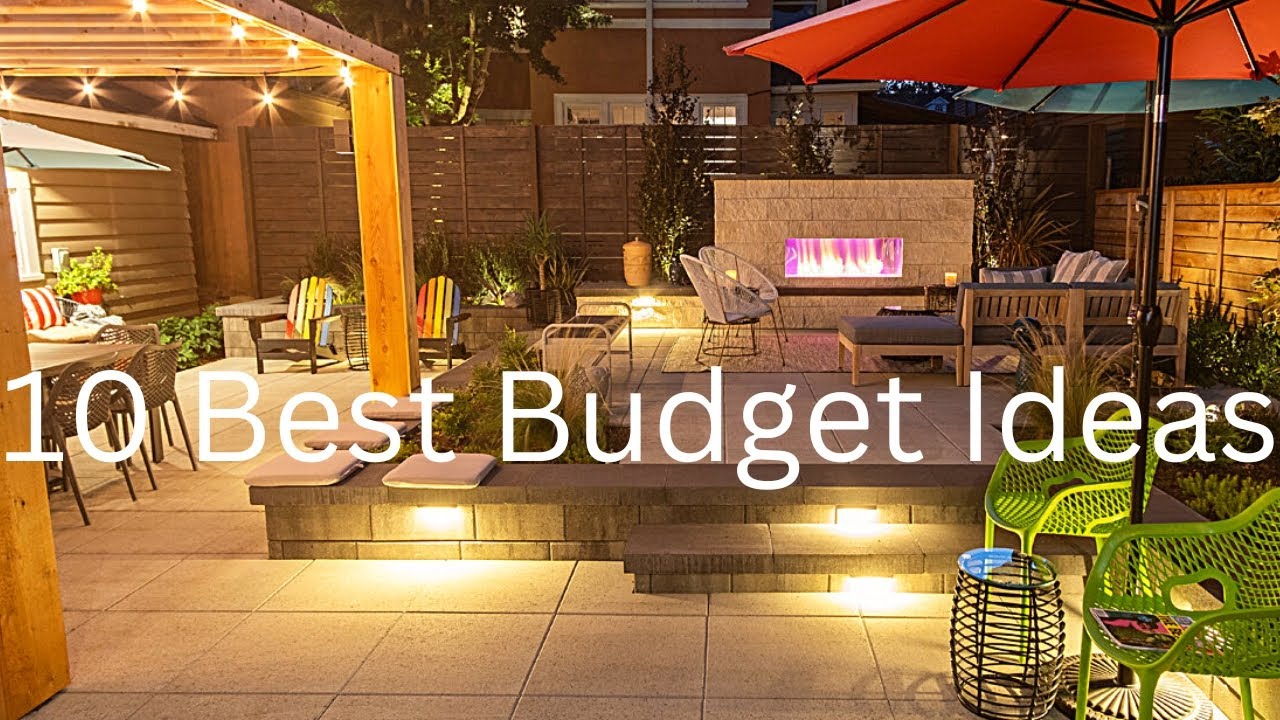
Lighting finishes the scene. We use low-voltage LED fixtures to clean seat walls, light actions, and mark path edges. Warm color temperature levels around 2700 to 3000 K feel property and gentle on plantings. All lines go through channel with available junctions so later on upgrades do not need a tear-out.
Costs, timelines, and what affects both
Pricing depends on access, slope, product, and intricacy. For preparation, most Pasadena paver patio areas land in the range of 18 to 35 dollars per square foot for basic interlocking or concrete pavers, with natural stone or complex patterns running greater. Brick is usually mid-range, edging upward when we use reclaimed materials or tight curved cuts. Permeable setups include cost in base materials and labor.
Retaining walls differ more. Segmental block walls typically run from 40 to 80 dollars per square foot of face, while stone-faced or engineered walls with curves, actions, and caps can exceed that. Website gain access to matters. A narrow side backyard that requires hand carry or a small loader will add time and labor.
Standard patio areas of 300 to 500 square feet take about one to two weeks from excavation to last compaction and clean-up. Include a week for a built-in cooking area, more if gas and electrical trenching run long distances. Retaining walls can take two to four weeks depending upon height and length, specifically if we coordinate inspections.
Permits are straightforward for a lot of flatwork under limits, however walls over particular heights and any gas or electrical work will set off permits. HOAs might need submittals with color and product samples. We handle drawings, engineering where required, and city coordination so the procedure stays orderly.
Maintenance and durability in a Mediterranean climate
Pavers carry out well in Pasadena's sun and moderate winter seasons. Expect to sweep polymeric sand into joints every few years where high-pressure cleansing or ant activity loosens it. Sealing is optional for lots of concrete pavers, however handy in shaded locations prone to leaf stains or on outdoor patios near outdoor kitchens. Brick can be left unsealed and cleaned with moderate cleaning agents; avoid severe acids that etch surfaces.
Weeds do not appear from compressed base and sand joints without help. Windblown seeds can germinate on the top, so a fast brush and occasional area treatment keep joints tidy. Where oak leaves settle each fall, a leaf blower on low or a stiff broom avoids tannin stains.
If an outdoor patio settles near a downspout or root, we can pull a section, remodel the base, and reset. That is one of the quiet strengths of interlocking pavers. With poured concrete, that repair would be a spot at finest, a tear-out at worst.
Retaining walls ought to not be backfilled with soil that traps water. Keep gravel backfill clear of silt invasion by protecting the leading with landscape fabric and mulch. Ensure surface drains pipes remain open. After heavy storms, a quick walk to listen for flowing water at weep holes is a basic health check.
Two Pasadena tasks that taught useful lessons
A South Arroyo craftsman with a narrow side backyard required a patio that seemed like a space, not a passage. We selected brick pavers in a herringbone field bounded by a bluestone soldier course. The first mockup looked busy near the home's multi-tone siding. We moved to a single warm brick tone and the patio area calmed down immediately. That property owner hosts Sunday breakfasts there now, the early morning sun strikes ideal between 8 and 9 a.m., and the joint pattern leads the eye to a little herb bed.
On a Linda Vista slope, a customer wanted level area for an outdoor fireplace and kitchen area however concerned about tall walls closing in the lawn. We cut into the slope to produce a split balcony. The upper balcony holds a small lounge and a gas fireplace with a stone veneer that echoes stones on website. The lower terrace uses interlocking pavers in a tidy rectangle for dining. The maintaining wall actions back in 3 gentle curves, each topped with capstones that double as seating. Drains tie into a discreet daytime outlet along the side yard. That task made it through a heavy winter storm with zero standing water, and the household utilizes both terraces daily when weather condition is mild.
Design information that raise the bar
Small elements give an outdoor patio or course its completed feel. Border bands in a contrasting color contain the eye and the field. A 4 to 6 inch border likewise makes future growths easier, considering that we can sew into that joint without pattern breaks. In bigger areas, we like to shift patterns or paver sizes to mark dining and lounge zones without adding steps.
Furniture footprints direct layout. Basic table want at least 36 inches of clearance on all sides. Lounge seating around a fire feature works best with a 7 to 9 foot size for circular pits, more for rectangle-shaped setups. We often chalk these outlines on compacted base so clients can stroll the space before we set a single paver.
Where a lawn meets a patio area, think about a tidy steel or concrete edge set just happy with grade. That prevents lawn mower wheels from dropping into a soft edge and keeps the line sharp. If you choose a planting bed at the edge, leave 18 to 24 inches for shrubs and groundcover to spill naturally without swallowing the patio.
Working with our team
You will satisfy the exact same task supervisor from style through final walkthrough. We set up work in logical stages and keep the site tidy each day. Sound happens with compactors and saws, so we speak to next-door neighbors before untidy days and work within Pasadena's noise guidelines. We source materials in your area when possible, which hardscaping guide decreases wait times for replacements or additions.
Our crews understand how to check out a lawn. They will recommend moving a step two inches to catch a comfortable stride, or adding a conduit under a walkway for a future gate operator. Customers often talk about these quiet improvements as the reason the area feels so easy to use.
Where to start
Bring us your ideas and restraints. Perhaps you desire a basic stone sidewalk to the side gate and a modest patio for a café table. Perhaps you require full-slope retaining wall installation in Pasadena CA with stairs, landings, and a complete outdoor kitchen. In either case, we begin with website truth, translate needs into a long lasting design, and build with approaches shown on Pasadena soils and in Pasadena weather.
If you are in research mode, walk your yard late in the day, notification where you stand without believing, and snap images of those spots. Conserve images of patio areas, stone retaining walls, or creative block retaining walls in Pasadena that you like, and we will decode the patterns and products. From there, we can suggest the very best paver patio styles for Pasadena homes like yours, weigh interlocking pavers versus natural stone for your use case, and show how a small outdoor fireplace or fire pit installation may extend your evenings outdoors.
Good hardscape does not scream. It supports, guides, and lasts. That is the aim, every time.
Business Name: Ridgeline Outdoor Living
Address: 845 E Walnut St, Pasadena, CA 91101, United States
Phone: (626) 469-5822
Ridgeline Outdoor Living
Ridgeline Outdoor Living is a Pasadena-based landscape design-build company serving Greater Los Angeles with custom outdoor living, hardscape, and drought-tolerant landscape solutions. The company specializes in patios, retaining walls, outdoor kitchens, drainage, hillside projects, and turnkey landscape construction, handling projects from design and permitting through final build and warranty.
845 E Walnut St, Pasadena, CA 91101, USA
Business Hours:
- Monday – Saturday: 8:00 AM – 6:00 PM
- Sunday: Closed
Follow Us: