Pasadena nights have a way of sticking around. The mountains hold a rosy glow, the citrus air cools just enough for a sweater, and the yard begins to seem like the very best room in your house. A fire pit on a well developed paver outdoor patio brings that scene to life, however it just works when style, safety, and craftsmanship move in step. The flame must be the star, not the tension. This guide draws from hands‑on experience installing numerous fire functions on interlocking pavers throughout Southern California, with a focus on Pasadena's environment, soil, codes, and architectural styles.
Why a paver patio area is the best foundation for a fire feature
A fire pit asks a great deal of its surroundings. It concentrates heat, invites foot traffic, and encourages sticking around. Interlocking pavers deal with those demands better than softscape or poured pieces. They disperse weight, allow for micro drainage through joints, and can be lifted and reset for energy work or future modifications. When a patio contractor prepares the base appropriately, pavers likewise exceed plain concrete in Pasadena's small seasonal movement and occasional heavy downpours.
That stated, not every paver is equal around heat. Concrete pavers, brick pavers, and natural stone pavers respond in a different way to thermal growth. Thick concrete units can endure edge heat well, while real clay brick, fired at heats, reveals really little thermal shock. Some natural stones, like granite or thick basalt, act beautifully, while others, such as softer limestones, can spall if warmed too quickly. The best method is simple: select heat tolerant materials near the flame zone, and install the fire pit on its own footing or insulated pad rather than depending on polymeric sand joints alone to resist heat.
Safety initially, due to the fact that Pasadena has guidelines worth respecting
Pasadena follows the California Fire Code with regional amendments. Many domestic fire pits do not need a building permit if they are portable and meet fundamental clearance guidelines, but permanent gas fire features and any new gas line runs usually need licenses and assessments. A licensed patio contractor who does this work often will collaborate with a plumber and the city to keep the process clean. Expect the following as common requirements and great practice:
- Maintain at least 10 feet of horizontal clearance from structures and residential or commercial property lines. If you are near an overhang, boost that distance and confirm with local code. Keep 6 to 10 feet of vertical clearance from any flammable roofing system or pergola members. A strong roof above a fire feature is rarely a good idea. Use a spark screen for wood burning pits, specifically during Santa Ana wind season. Pasadena periodically provides no burn days; comply without guesswork. Select gas burners listed for outside use, pair them with a rated crucial valve or electronic ignition, and set up a shutoff within arm's reach. Vent the fire pit enclosure. Gas, stone, and pavers require air flow to remain cool and safe, and confined voids must never trap gas.
Clearances are not negotiable. If the lot is tight, consider a smaller burner, a lower profile pit, or an outdoor fireplace that directs heat up and manages ashes. The right answer is the one that lets you unwind while the fire is lit.
Choosing fuel and format: wood, gas, or propane
Fuel choice shapes everything, from daily usage to long term upkeep. Wood gives a primal crackle and the scent of the season, however it brings smoke management and coal control. In numerous Pasadena areas, especially up versus the foothills, house owners choose gas for tidy burning and simple starts. If a gas line run is impractical, a surprise lp tank with a quick‑connect can work, provided ventilation is excellent and the tank sits outside the pit cavity.
Ignition choices have improved. A simple match lit burner is reliable and spending plan friendly. Push button or electronic ignition includes benefit and a security flame sensor, useful when wind gusts sweep the yard. With gas, size the burner to the outdoor patio, not the brochure image. A 24 to 30 inch round burner matches most family patios, while a 36 inch unit belongs on larger hardscapes with clear sightlines and seating for 8 or more.
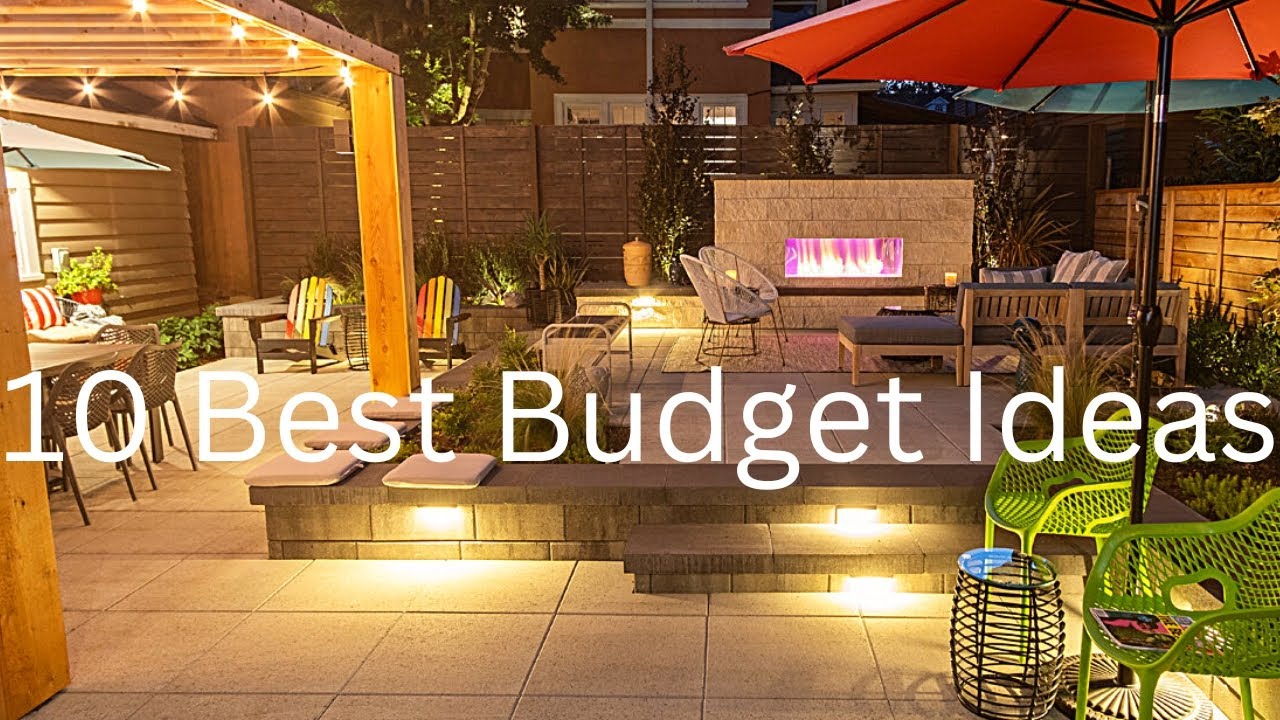
Layout that invites conversation, not crowding
Fire is a social magnet, but distance can turn relaxing into cramped. On patio installation jobs in Pasadena, I start with the seating circle. Comfy conversation wants an inner ring 6 to 7 feet from the flame, determined to the front of the chair. That spacing allows shins to feel warm while knees avoid roasting. Around that, prepare an external ring for blood circulation so guests can pass behind seated people without bumping chairs. If mobility is an element, leave a minimum of 36 inches clear around one course to keep it accessible.
The shape of the fire pit also matters. Round and square pits both deal with interlocking pavers, but they carry different state of minds. Round feels communal and unwinded, ideal for household settings and casual nights. Square or rectangular pits can mirror contemporary architecture, line up with a pool edge, and pair well with a rectilinear pergola or an outside cooking area. For traditional bungalows and Spanish Revival homes, a low round pit faced with clay brick or toppled concrete blends silently into the architecture. For mid‑century or more recent contemporary homes, a rectilinear pit dressed in smooth block or honed stone checks out as intentional and clean.
Subbase and heat management: what really sits under the flame
A paver patio area is only as great as its base. On fire pit zones, I deal with compaction and separation with additional care. The standard approach utilizes 4 to 6 inches of Class II roadway base compacted in lifts, topped with 1 inch of sharp bedding sand, then the interlocking pavers themselves. In Pasadena's fertile to sandy soils, this holds well as long as water has a place to go.
Under the fire pit, prevent seating the burner ring or wood bowl directly on polymeric sand joints. Construct a devoted footing pad. For wood burning pits, a 4 inch thick reinforced concrete pad with a noncombustible cap works well. For gas, utilize a ventilated cavity with a noncombustible, heat resistant liner or fire brick. Include vent blocks low on opposing sides so air can move through. If the patio area uses polymeric sand, anticipate that joints near the pit might require retouch over time, specifically if roaming embers find their method to the surface.
Thermal breaks extend the life of both the patio area and the pit. A layer of fire brick or a licensed fire bowl base inside the pit keeps continual heat from radiating into the paver field. On https://codywskw643.theglensecret.com/artificial-grass-pasadena-pairing-grass-with-paver-walkways-for-a-tidy-look larger builds, I specify an insulated pan beneath the burner, especially when clients pick concrete pavers with a darker color that tends to take in heat.
Materials that look right in Pasadena light
The best paver patio styles for Pasadena homes vary by neighborhood. Mission Revival and Spanish styles shine with warm earth tones, clay brick pavers, and rounded edges. Artisan cottages carry tight joints and smaller sized format concrete pavers that simulate old quarry stone. More recent hillside constructs, with big glass and clean lines, do well with large format concrete pavers set in a grid. Natural stone pavers like porphyry, quartzite, or bluestone raise a patio area under oak or olive trees, though they ask for mindful selection to avoid excessively slick finishes.
Color deserves attention. Afternoon sun here is sharp. Red tones can skew pink in intense light, and dark charcoals can feel hot. I check a few samples on website, go back at twelve noon, 4 pm, and dusk. The right color ought to flatter the house cladding and not fight your plant combination. For fire pit edges, a contrasting soldier course or a band of tumbled brick can aesthetically anchor the circle without jumbling the field.

Ridgeline Outdoor Living paver setup professionals typically mix textures to separate large surfaces. A patio contractor might lay a smooth concrete paver field, then introduce a ring of rough split stone around the fire pit for character and traction. That sort of mix looks intentional, and since it is pavers, it stays replaceable.
A construct series that prevents common headaches
There are many methods to construct a safe, good-looking fire pit on pavers. This streamlined series has worked dependably across yard sizes and budgets.
- Establish layout and clearances on website with paint or string, verifying seating zones, sidewalks, and any nearby plantings or retaining walls. Excavate the outdoor patio footprint to accommodate base depth, pitch for drainage, and a deeper pad where the fire pit will sit, then compact in layers. Set any essential sleeves or avenues for gas or low voltage before bed linen sand goes in, then lay and cut interlocking pavers to pattern. Build the fire pit structure by itself pad or within a ventilated enclosure, add burner and media as defined, and integrate a noncombustible cap. Sweep in joint sand, compact, and rinse. Test gas lines and ignition with a certified pro, then run a complete burn to examine flame pattern and ventilation.
That list compresses weeks of preparation and a number of trades into a couple of lines. Behind the scenes, a paver contractor coordinates utility locations, schedules inspections, and phases material so that your lawn remains practical during the build. On hillside lots, include erosion control and staging strategies to the mix. In tight side backyards, shipment gain access to might determine paver size and weight.
Drainage, wind, and Pasadena's microclimates
Hardscape needs to marry water management. A flat fire pit area invites puddles, which turn ash into paste and motivate efflorescence on paver edges. Pitch the patio at 1 to 2 percent far from structures, and keep the fire pit slightly proud of the surrounding field so stray tube water does not flood the burner cavity. Where patio areas meet planting beds, a narrow gravel border works as a drip zone and looks clean.
Wind should have a strategy. Santa Ana occasions can drive gusts over 30 miles per hour through the San Gabriel Valley. A wind guard for gas pits can conserve you frustration on those days. For wood burning functions, position the pit so fundamental winds push smoke away from the main seating or dining areas. Low seat walls can help obstruct breeze and reflect convected heat back towards individuals without closing down the space.
Integrating walls and levels without clutter
Pasadena yards are seldom completely flat. Brief retaining walls help take terraces and cradle a patio area. When fire belongs to the style, walls can moonlight as seating. A 12 to 18 inch high bench wall at the back of an outdoor patio catches additional visitors and creates a sense of room.
If your backyard requires severe grade management, purchase appropriate engineering. Retaining wall installation in Pasadena CA is not a one size job. Soil conditions alter throughout the city, and a retaining wall contractor in Pasadena will represent drain, additional charge from neighboring driveways, and city setback rules. Stone retaining walls experts in Pasadena LA comprehend the look residents love, from split granite faces to stuccoed block that echoes a home's plaster. Creative block retaining walls Pasadena tasks can end up being design functions in their own right, especially when topped with smooth stone for extra seating.
A fire pit on the lower terrace with a view as much as a softly lit wall and native plantings checks out like an outdoor space. Keep wall caps a minimum of 3 feet from the flame to avoid heat damage, and pick caps that do not take in stain easily if you use wood.
Tying in paths, kitchen areas, and the method you truly live
A gorgeous fire pit without a way to reach it easily will not get utilized. Walkway installation requires the very same care as the outdoor patio field. Stone walkways that fan out from the main hardscape, or a banded path that guides you around plant beds, make the fire zone feel linked instead of stuck on. Ridgeling outdoor living garden pathway ideas frequently utilize a narrower paver to develop rhythm and lead the eye towards a focal point like a fire bowl or a specimen olive.
Many Pasadena house owners add a small cook station nearby. Pasadena outdoor kitchen ideas run from a compact grill island with a side burner to a complete L shaped cooking area with sink and storage. If you dream of both flame for ambiance and flame for food, different them by function. Keep the outdoor fireplace or fire pit in a lounge zone and the grill where smoke will not clean over guests. Gas supply sizing matters here. An excellent patio contractor will size and path lines to prevent pressure drop when both burners run.
Styles that flatter heritage homes and new builds
Pasadena's character lies in its variety. Here are combinations that have actually shown their worth:
- For a 1920s Spanish Revival, lay clay brick pavers in a herringbone around the fire circle, with a smooth stucco fire pit, hand troweled and ended up in a warm off white. Utilize a black powder covered spark screen that disappears at dusk. For a Craftsman bungalow, choose concrete pavers in a smaller 6 by 9 module with a tumbled edge, then build a round pit faced in river rock or tight jointed split granite. A bluestone cap pulls the appearance together. For a hillside contemporary, use large format concrete pavers in a cool gray set with tight joints, then a direct fire function outfitted in smooth block with a sharpened limestone cap. Add a tempered glass wind screen and black lava rock media.
These are starting points. The very best patio design Ridgeline Outdoor Living examples listen to your house first, then the owners' habits. Do you host 4 or fourteen, each week or twice a year? Do you desire a place to put your feet up, or do you love a crisp coffee table and straight backed chairs? Sincere answers result in a design you will utilize often.
Realistic budgets, timelines, and what presses cost
Homeowners often ask what a fire pit on a paver patio in Pasadena must cost. Varieties are more honest than single numbers. A compact paver patio area with a standard wood burning pit might land in the low 5 figures, depending on gain access to and material choices. A larger patio with premium natural stone pavers, a permanent gas line, a custom dealt with gas fire pit with electronic ignition, and low walls for seating typically extends into the mid 5 figures or greater. Include an outside kitchen or substantial retaining walls and the scope goes up again.
Timeframes follow scope. A modest outdoor patio and fire pit may take 2 to 3 weeks from mobilization to the very first fire, presuming permits are basic. More intricate projects that fold in retaining walls, drain upgrades, and planting can run 4 to 8 weeks. Weather rarely quits working here, but material lead times and evaluation windows can.
What pushes cost fastest? Challenging gain access to that requires hand carrying materials, premium stone caps, electronic ignition bundles, and complex gas runs through ended up landscapes. A seasoned paver contractor will reveal where the cash goes and where you can save without regret.
Avoiding the mistakes I see most often
Experience conserves headaches. Here are missteps hardscaping guide I am called to fix:
- Oversized fire pits on small outdoor patios. The first night feels fantastic, then nobody can stroll behind the chairs. Buffoon up chair positions with painter's tape before you commit. No plan for ash or media maintenance. Wood pits need a metal ash container and a safe location to cool coals. Gas pits need an occasional re level of lava rock or glass to keep the flame even. Polymer sand right to the flame edge. Heat can make it haze or crack. Shift to mortar set fire brick or a heat tolerant cap at the inner ring. No shutoff valve within reach. Encountering an outdoor patio to a wall valve while flames roar is not a system, it is a hazard. Forgetting seating comfort. A pit can look beautiful and still sit too high or too low. A finished height of 12 to 16 inches above the outdoor patio feels right for many chairs and many people.
None of these need heroics to prevent. They ask just for attention during preparation and a contractor who cares as much about the last 5 percent as the very first 95.
Maintenance that keeps the patio and pit looking new
Pavers reward light, routine care. Sweep weekly during leaf season. Wash with a hose once in a while, and utilize a neutral cleaner if you see a film. Sealing is optional for numerous concrete pavers in our climate, but it can deepen color and include stain resistance. On natural stone pavers, pick a breathable sealant and test it in a corner. If you burn wood, tidy soot discolorations early with a masonry cleaner designed for pavers.
For gas fire pits, schedule an annual evaluation. Have a professional check the burner, confirm orifice tidiness, and test ignition. Raise and reset any pavers that have actually wandered at the seating edge. If you used polymeric sand, anticipate to top it off near the hot zone every number of years. Keep vent ports clear of cobwebs and leaves.
A Pasadena case research study: heat without smoke
A current project in Madison Heights shows how the pieces come together. The house owners loved hosting, however their small lawn suggested folding chairs and a portable pit that scorched the turf. We removed the worn out turf and developed a 400 square foot patio in a cool enthusiast concrete paver, bordered with a charcoal soldier course. The fire pit, a 32 inch round gas system with a basic match lit burner, sat a little off center to leave space for a four seat bistro table and a reading lounger under an olive.
Because your house was clay tile and stucco, we dealt with the pit in hand shovelled stucco, color matched to your house however a shade darker to read as furnishings. The cap was thermal bluestone, set 14 inches off the outdoor patio. Gas originated from the meter wall through a sleeved trench that we coordinated with the city. We included a low seat wall on the back edge of the outdoor patio, developed with split dealt with block and a smooth cap that matched the pit, and cut a small slot drain along the garden bed to move stormwater.
On the first night, the wind showed up a bit, and the flame held its shape thanks to a low profile glass shield. There was no smoke. Guests might stroll behind chairs easily. The owners tell me they use it three nights a week, even in summer season early mornings for coffee. That is the best metric.
Working with a pro who sweats the details
Plenty of property owners can set a package pit on an existing piece. When you desire a developed environment that fits your life and your home, experience matters. Ridgeline Outdoor Living paver installation experts bring a disciplined procedure to patio installation, from soil prep to the last sweep of sand. A great patio contractor in Pasadena comprehends how to incorporate fire functions with retaining walls, paths, and plantings so the backyard works as a whole.
If you are vetting teams, ask to see previous jobs that match your home's design. Try to find referrals that mention schedule and tidiness, not just final pictures. Ask how they deal with gas permitting, what burner brand names they rely on, and how they vent enclosures. If retaining walls are part of the strategy, validate they have integrated in your soil type. If you hear clear, particular answers, you remain in excellent hands.
Bringing everything together
A fire pit is more than a flame in a circle. It is sightlines from the kitchen window, the feel underfoot as you step out barefoot, the simple reach to set down a cup, and the confidence that sparks will not roam. It is the method the patio's interlocking pavers tuck into the garden and the method the wall behind you obstructs the evening breeze. It is the path your kids handle the stone walkways, racing to declare the very best seat before you settle in.
Design for that lived reality, then build with care. Choose products that look right in Pasadena's light. Size the feature to your events. Respect the guidelines that keep communities safe. When all that remains in location, the fire becomes what it needs to be, the warm, stylish heart of a backyard that welcomes you home.
Business Name: Ridgeline Outdoor Living
Address: 845 E Walnut St, Pasadena, CA 91101, United States
Phone: (626) 469-5822
Ridgeline Outdoor Living
Ridgeline Outdoor Living is a Pasadena-based landscape design-build company serving Greater Los Angeles with custom outdoor living, hardscape, and drought-tolerant landscape solutions. The company specializes in patios, retaining walls, outdoor kitchens, drainage, hillside projects, and turnkey landscape construction, handling projects from design and permitting through final build and warranty.
845 E Walnut St, Pasadena, CA 91101, USA
Business Hours:
- Monday – Saturday: 8:00 AM – 6:00 PM
- Sunday: Closed
Follow Us: