Patios bring a great deal of weight in Pasadena, both actually and culturally. We develop outdoor rooms that host graduation suppers under jacaranda blossoms, quiet Sunday coffees in winter season sun, and late August nights with a fan turning on the porch. The best paver pattern ties that life to your house and landscape, withstanding heat, roots, and the tiny tremblings we barely see. When the pattern fits, everything around it settles into place.
I have invested years guiding homeowners through patio installation across the San Gabriel Valley, from compact courtyards in Cottage Heaven to hillside terraces above Linda Vista. No two yards behave the same, yet a handful of tried and true paver designs keep increasing to the top. Herringbone and basketweave sit at the center of that group for Pasadena, with a supporting cast that includes running bond, modular stone grids, and circle packages that make a fire function feel intentional. Choosing among them takes more than flipping through a brochure. The soil, your architecture, sun direct exposure, and how you plan to use the space all pull in different directions. Good outdoor patio design by Ridgeline Outdoor Living starts right there, with the push and pull, then chooses a pattern that looks simple and easy once whatever is built.
What Pasadena asks of a patio
Patterns are not just visual. They are engineering decisions in camouflage. Pasadena's mix of hot summers, periodic rainstorms, and spread oak and camphor roots is tough on flatwork. Clay lenses under decayed granite pockets expand and contract throughout seasons. We include mild seismic activity to the list, and small mistakes in design or base preparation will show as dips, marching joints, or a wobble in a chair leg within a year.
A great paver contractor factors those truths in at the design stage. For instance, angled patterns like herringbone absorb traffic and micro-shifts much better than linear designs. Permeable interlocking pavers cut runoff and aid with regional stormwater guidelines. And when a lawn slopes towards the house, including a discreet trench drain and pitching the field 1 to 2 percent safeguards the threshold without telegraphing the fix.
Style matters too. Pasadena homes lean into character. Artisan cottages ask for texture and honest materials. Spanish Revival and Monterey Colonial architecture desires warmth and a tip of procedure. Mid-century cattle ranch homes tend to choose longer lines and cleaner joints. A pattern can honor that language, or fight it.
Herringbone: strength with a classic rhythm
If I needed to bet on one design to make it through twenty years of domesticity, I would select herringbone with interlocking pavers. You set rectangular systems at a 45 or 90 degree angle to the main axis, so each piece locks versus the next on all four sides. That interlock resists spreading at the edges and rutting under chair legs or rolling carts. On tasks that see a lot of movement, like an outdoor kitchen area near a swimming pool, herringbone makes its keep.
A fast example from a San Rafael Heights job: a 430 square foot patio carried an outdoor fireplace on one end and a grill island on the other. We oriented the herringbone at 45 degrees to the house line. That angle camouflaged a 1.5 percent pitch far from the doors, and the pattern's diagonal energy kept the long term from seeming like a runway. We ran a basic soldier course border that tied into step treads, and the whole space read as intentional even on the hottest August afternoons.
Brick pavers in herringbone offer a classic Pasadena feel, especially with a tight mortarless joint and polymeric sand in a warm beige. Concrete pavers work simply as well, and longer 4 by 12 systems include a modern twist without losing the interlock. In natural stone, a saw-cut slab can mimic herringbone well, though the labor increases and you desire a skilled crew to keep lines crisp.
Basketweave: heritage heat and patio-scale calm
Basketweave is everywhere on older Pasadena walkways for a factor. Alternating sets of rectangle-shaped pavers, one set laid north-south and the next east-west, established a quiet checkerboard of texture. On a patio, that calm reads wonderfully under shade trees and along Craftsman facades. The pattern is flexible, conceals slight size variations in brick pavers, and matches historic detailing without getting busy.
Where basketweave can falter is at the edges. Unlike herringbone, it does not interlock as strongly, so trustworthy edge restraint matters. A hidden concrete curb or a robust PVC edge with spikes through the base layer will keep the layout from dispersing. I have also found that a larger border, maybe two courses in a contrasting brick or a cut stone band, frames basketweave in such a way that evokes older Pasadena garden rooms.
In concrete pavers, select tumbled or textured faces to echo handmade brick. In natural stone, a set of 6 by 9s rotating with 9 by sixes offers the same weave, particularly in limestone or travertine. If your outdoor patio carries heavier loads, press the base depth a bit much deeper than you would for running bond, and you will get the efficiency you need.
Running bond and soldier courses: tidy lines and optical tricks
Running bond is the universal layout, and it stays in the conversation since it resolves visual problems gracefully. Long, straight joints make small outdoor patios look larger when oriented along the long measurement. They pair well with mid-century cattle ranch homes and newer builds that favor straight geometry. On sloped backyards, keep the bond perpendicular to the fall to prevent visual sagging.
Soldier courses, where pavers stand lengthwise side by side to form a border, offer running bond a finished edge. Double borders, typically one soldier course and one header course, aid incorporate actions or the curve of a retaining wall. Since running bond concentrates force along lines, you pay additional attention to compaction and base setup. Usage interlocking pavers if traffic will cross in the same instructions as the joints, or offset the layout 33 percent to separate duplicating lines when you utilize longer formats.
Modular and random patterns: depth without noise
Many concrete and natural stone pavers been available in modular plans of two to 5 sizes created to mix in a repeating series. When set up correctly, the eye checks out texture and subtlety without finding the repeat. This style fits Pasadena homes that want a quieter backdrop: modern-day Spanish, transitional, and a few of the newer farmhouse-inspired homes increasing near Orange Grove.

In natural stone, random ashlar with a constant thickness brings this aim to life. The trick depends on joint planning. Keep cross joints from lining up more than two units in a row, and lay out the first 80 to 100 square feet dry so you capture pattern repeats before cutting. In brilliant sun, a gently variegated concrete paver in a modular blend diffuses glare and stays cooler to the touch than monotone slabs.
Circle kits, fans, and the theater of a focal point
Round components bring people together. A circle set around a fire pit installation, or a fan-shaped field that radiates from an outdoor fireplace, creates a destination without heavy walls. On a Linda Vista hillside, we set a 12 foot diameter circle in a sand-set limestone around a wood-burning pit, then stepped down to a herringbone dining terrace. The circle's geometry separated long sightlines and benefited from the view.
Circle sets feature wedge-shaped pieces that keep joints consistent. They require cautious base preparation. Any soft area reveals as a dip near the center, and that is not where you want a rocking chair. Where the circle fulfills a rectilinear field, plan a banding course to bridge the geometry. It keeps cuts tidy and provides a visual pause.
Parquet, stack, and accent banding
Parquet blocks in square modules, typically four bricks per square, look good-looking on smaller patios and covered decks. Stack bond, where joints line up both directions, reads very modern-day and demands outstanding base assistance and completely manufactured pavers. I tend to utilize stack as an accent for borders or step treads rather than full fields in Pasadena, where little ground movement can telegraph quickly.
Banding changes whatever. A single 6 inch contrasting strip, run along the boundary or to divide a big patio into dining and lounge zones, can tie pattern and architecture together. On a Spanish Revival home near Madison Heights, a charcoal band cut through a warm sandstone modular field and echoed the ironwork at the terrace. The owner informed me it made the outdoor patio feel designed, not just installed.
Materials that fit the pattern, and the neighborhood
Interlocking pavers stay the most flexible option for patios and pathways in our area. They deliver strength, repairability, and a broad combination of colors and textures. For historical character, brick pavers keep winning hearts. True clay brick ages with dignity, and a thin seal every couple of years will keep stains from settling. Concrete pavers use the broadest variety of sizes and modern finishes, from extended slabs to smooth 24 inch slabs that approach put concrete without the cracking risk.
Natural stone pavers, whether limestone, granite, travertine, or porphyry, bring depth of color and a tactile quality you discover barefoot. They cost more per square foot in both product and labor, mostly since we spend extra time on sorting, cutting, and pattern layout. With stone, gauged density is crucial for a sand set patio. Blended thickness stone belongs on mortar custom hardscaping Pasadena beds that represent variation, not directly on a sand bed.
Whichever material you choose, keep solar gain and hand feel in mind. Darker pavers get hotter, and smooth honed surfaces can turn slick near a swimming pool. We check samples under direct sun and a splash of tube water to read color and slip in the conditions that matter.
Building for Pasadena soils, slopes, and storms
Performance begins listed below the pattern. Most of the valley's outdoor patios do well on a 4 to 6 inch compressed Class II road base for pedestrian areas, and 6 to 8 inches where grill islands, outdoor kitchens, or heavy furnishings will live. On slopes or expansive clay pockets, we bump that to 8 to 10 inches and add geotextile separation to keep fines from migrating. Plate compactors run in numerous passes, and we talk to a vibrant cone penetrometer if the subgrade feels suspicious. These are the little practices that make a patio contractor's work last.
Pitch the surface area for drain, normally 1 to 2 percent far from structures. Where a hardscaping guide home sits low, add a slot drain or French drain that connects into a legal discharge point. Permeable interlocking pavers, set on open graded base with 3/4 inch and 3/8 inch tidy stone, are a clever alternative for flatter backyards or when you want to record roofing system downspouts into the outdoor patio base. They lower overflow and typically aid with strategy approvals that motivate stormwater infiltration.
Joints need the ideal sand. Polymeric joint sand hardens enough to keep ants out and decrease weed seeds, but it still flexes with thermal motion. Sweep it completely, blow out dust, and mist per manufacturer directions. Overwater and you create a crust that stops working. Undersea and the binder never locks. A cautious crew knows the difference.
Retaining walls that work with the pattern
Pasadena's hills make retaining walls part of many outdoor patio projects. Succeeded, a low wall ends up being extra seating, a planter, or the best edge to nestle lighting. Done poorly, it telegraphs motion and sidetracks from the flatwork. We manage retaining wall installation in Pasadena CA with a simple concept: deal with the wall and patio as one system. The block choice, the cap, and the drain behind the wall all connect with your paver pattern.
For creative block retaining walls Pasadena house owners frequently pick textured segmental systems that curve efficiently and match paver colors. In historic settings, stone retaining walls from our team of stone retaining walls experts in Pasadena LA offer a handcrafted appearance that fits Artisan and Spanish homes. A 12 to 24 inch seat wall around a fire circle produces immediate function. Step back slopes in balconies when height goes beyond three feet, or seek advice from engineering when loads sit near the top. French drains pipes and weep outlets behind the wall keep hydrostatic pressure in check, and geogrid layers extend stability into the slope. Tying the patio area border into the wall cap with a matched banding stone or soldier course reads as a style decision, not a building and construction joint.
If your project needs a license, a retaining wall contractor in Pasadena will coordinate drawings and estimations. Anticipate that any wall above 3 to 4 feet, or supporting a driveway or structure, will set off engineering.
Walkway installation and garden paths that lead somewhere
Patios hardly ever stand alone. A stone walkway leading from the side gate, or a brick course curving to a potting bench, completes the story. We take the very same care with walkway installation as we do with larger balconies, often tightening up the jointing to keep small systems locked on narrow paths. On a Craftsman lot, brick pavers in a running bond pathway with a basketweave patio read as if they were always there. In a more contemporary lawn, large format concrete pavers set on tight joints with gravel bands produce rhythm and guide the eye.
Clients request Ridgeling outdoor living garden pathway ideas to blend energy and charm. What works best here is staggered landings and subtle curves, not big sweeps that chew up planting beds. A 36 inch clear width feels comfortable, wider if two individuals stroll together from the grill to the table. Where roots loom, we bridge with thicker base and geogrid instead of carving strongly into a mature tree's root zone.
Outdoor cooking areas, fireplaces, and the zones that support them
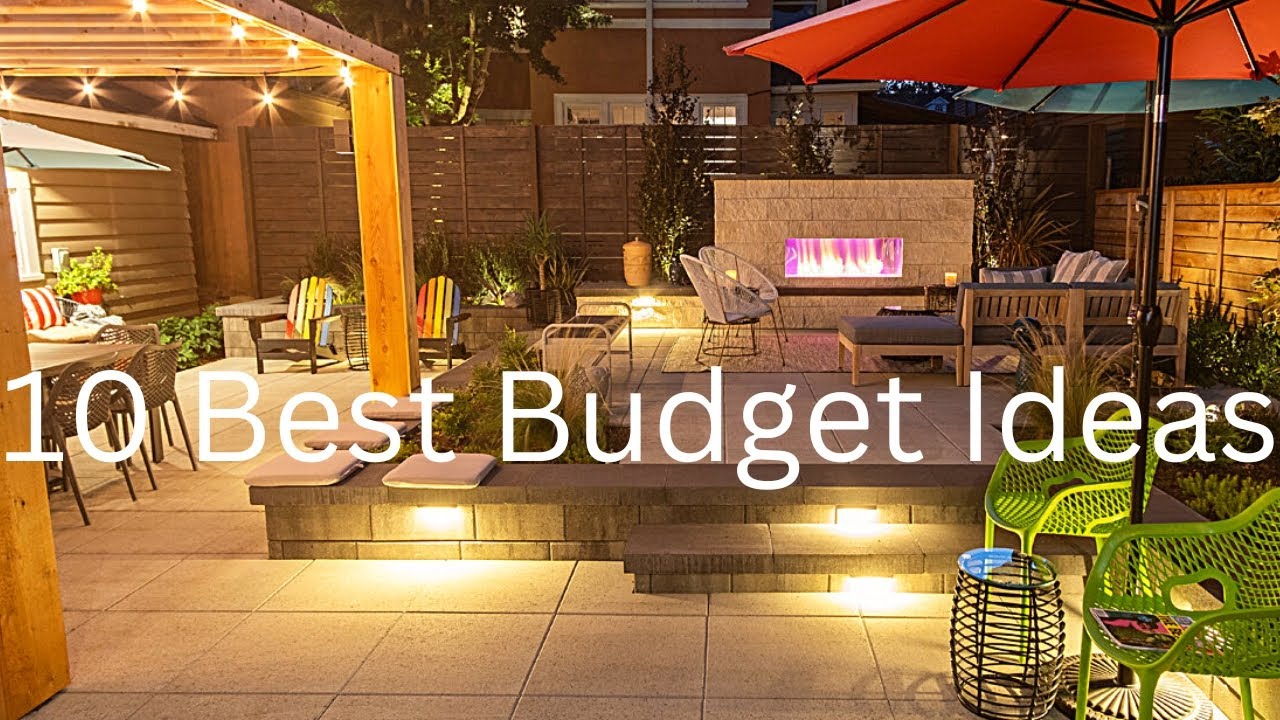
Pasadena outdoor kitchen ideas lean towards functional beauty. A U shaped island with 7 to 10 direct feet of counter, a grill, and a small refrigerator makes sense for many families. Position it on herringbone or modular pavers that conceal scuffs and grease much better than smooth slabs. An outdoor fireplace or fire pit installation desires breathing room, approximately 7 feet of clear location around the opening for seating and security. Circle packages, fan patterns, or a contrasting band under the seating ring turns that space into a destination.
Plan energy stubs with the pattern in mind. Gas and electrical lines cross under the patio in sleeves that either follow a border or a joint line. That method, if we ever require gain access to, we lift a small set of units and put them back without scars.
A fast pattern selector by home style
- Craftsman bungalow: basketweave brick field with a double border, or herringbone in tumbled concrete pavers for included strength Spanish or Monterey Revival: modular or random ashlar in warm tones, with a dark band echoing ironwork or window trim Mid-century cattle ranch: running bond or lengthened plank pavers, minimal texture, joints aligned with architecture Contemporary infill or ADU: big format concrete or porcelain-look pavers in a tidy grid, accent banding for zones Cottage or Tudor: mixed-size cobble or brick in herringbone, circle set at a little fire feature for a garden room feel
How pattern choices affect cost and timeline
Homeowners typically believe material drives the budget plan, and it does, however pattern intricacy changes labor in quantifiable methods. On a common Pasadena outdoor patio of 400 to 600 square feet, a simple running bond in concrete interlocking pavers with a single border might fall in the low to mid variety per square foot for labor and base work. Herringbone with mitered borders or a modular pattern with several sizes adds around 10 to 20 percent to the labor part, depending on cuts and layout. Circle sets cost more in labor near the shifts to straight fields. Natural stone includes both material and labor, depending on whether we use evaluated pavers or varied thickness pieces set on mortar.
As for schedule, a 2 person team can prep and set 150 to 250 square feet of pavers a day in easy patterns, less where there are tight curves, numerous borders, or considerable step work. Retaining walls, utilities, and drainage add days in foreseeable portions. That is why a clear design, with pattern, borders, and cut lines chose in advance, spends for itself. We spend less time resolving geometry on site and more time setting up cleanly.
Maintenance that protects the pattern
A well built patio area asks for little. Sweep grit before it develops into paste underfoot. Wash spills sooner rather than later. Every 2 to 4 years, top up polymeric sand at joints that open with motion or ant activity, then wet per directions. For sealing, less is often more. Brick pavers usually like a breathable sealant that does not add excessive sheen. Concrete pavers tolerate a series of sealants, however test on an offcut to make certain color enhancement matches your taste. Natural stone requires a product developed for its porosity. We prevent movie forming sealants on limestone and travertine in full sun, where they can haze.
If an area settles after a winter season storm or a slow leakage, we raise, re-compact the base, and reset the units. That is an essential benefit of interlocking pavers over put concrete in a city where micro-movement becomes part of the landscape.
When to bring in the pros
Some homeowners set their own small patio areas with great results. As soon as you add slopes, retaining walls, utilities, or complex patterns, a patio contractor makes value quickly. A skilled paver contractor brings compaction tools, layout accuracy, and the small routines that keep joints directly over distance. Ridgeline Outdoor Living paver installation experts integrate style with the hands-on work that keeps patterns true. We handle whatever from design mockups to permitting for retaining walls, and we coordinate with electricians and plumbers so your outdoor fireplace or kitchen area lands precisely where it should.
Good communication on the front end matters as much as craftsmanship. A last strategy with dimensions, patterns, borders, and elevations in place avoids change orders and supports a predictable develop. If you are comparing bids, make sure they all consist of base depth, edge restraint type, joint sand, and any drainage components, apples to apples.
A short pre-build checklist
- Confirm the pattern, border details, and joint instructions on a scaled plan and a little on-site dry layout Verify base depth and compaction specifications matched to your soil, load, and drainage needs Map utilities and plan sleeves so future access follows borders or joint lines Choose joint sand and sealer fit to material and sun exposure, and evaluate a little area If walls are involved, line up wall cap heights, steps, and patio area elevations for smooth shifts and correct pitch
Bringing pattern, place, and function together
Patterns have jobs to do. Herringbone carries motion without problem. Basketweave calms a shady garden and nods to Pasadena heritage. Running bond stretches little areas and keeps a modern voice. Modular and random ashlar include texture without hassle, while circle packages gather good friends around a fire. The best pattern is the one that suits your home, the land, and the method you live day to day.
Our group at Ridgeline Outdoor Living approaches patio installation as both craft and collaboration. We study the soil, the sun, and the sightlines, then suggest the best paver patio styles for Pasadena homes with honest trade-offs. Whether you lean to brick pavers under a pergola, concrete pavers for a clean-lined lounge, or natural stone pavers to echo the San Gabriel foothills, we'll set a pattern that looks right and wears well. If your lawn needs grade modifications, we develop and build retaining walls that seem like part of the strategy, not afterthoughts. If a garden course wishes to cause a bench or a grill island, we make the walk an enjoyment, not an errand.
Patios are not just surfaces. They are stages where home life happens, and pattern is the peaceful choreography underneath it all. When you are prepared to turn a garden into a location you use each week, bring your concepts and a few pictures of what you enjoy. We will bring samples, layout options, and the judgment that comes from integrating in Pasadena long enough to understand what lasts.
Business Name: Ridgeline Outdoor Living
Address: 845 E Walnut St, Pasadena, CA 91101, United States
Phone: (626) 469-5822
Ridgeline Outdoor Living
Ridgeline Outdoor Living is a Pasadena-based landscape design-build company serving Greater Los Angeles with custom outdoor living, hardscape, and drought-tolerant landscape solutions. The company specializes in patios, retaining walls, outdoor kitchens, drainage, hillside projects, and turnkey landscape construction, handling projects from design and permitting through final build and warranty.
845 E Walnut St, Pasadena, CA 91101, USA
Business Hours:
- Monday – Saturday: 8:00 AM – 6:00 PM
- Sunday: Closed
Follow Us: